
Company knowledge
Who owns what your team teaches the AI?
Your team already uses AI. The question almost nobody asks is: where does what they teach it end up? If the answer is “in each person's account,” the company pays the bill and the person keeps the gain. This article explains why speed isn't productivity, what changes when know-how becomes a company skill, and what employment contracts, intellectual property and data protection have to do with it. It isn't legal advice: it's the map to take to your lawyer. The legal references are Brazilian; check the rules where you operate.

By Cesar Augusto Carlos

In this article
A faster employee isn't a more productive company
Picture the report that runs late every Monday. With AI, the person who prepares it now does in one hour what used to take all night. It looks like a win. But the company's cost stays the same, the report still depends on that person, and every week they explain the business to the AI from scratch: the numbers, the format, what the owner likes to see. What they taught stays stuck in their own chat.
This isn't an exception. In Microsoft's May 2024 Work Trend Index, 78% of AI users were bringing their own AI tools to work, without guidance from the company. At small and medium-sized companies, it was 80%. And 52% of those using AI were reluctant to admit using it for their most important tasks. AI came into the company through the back door, and what people learn with it leaves the same way.
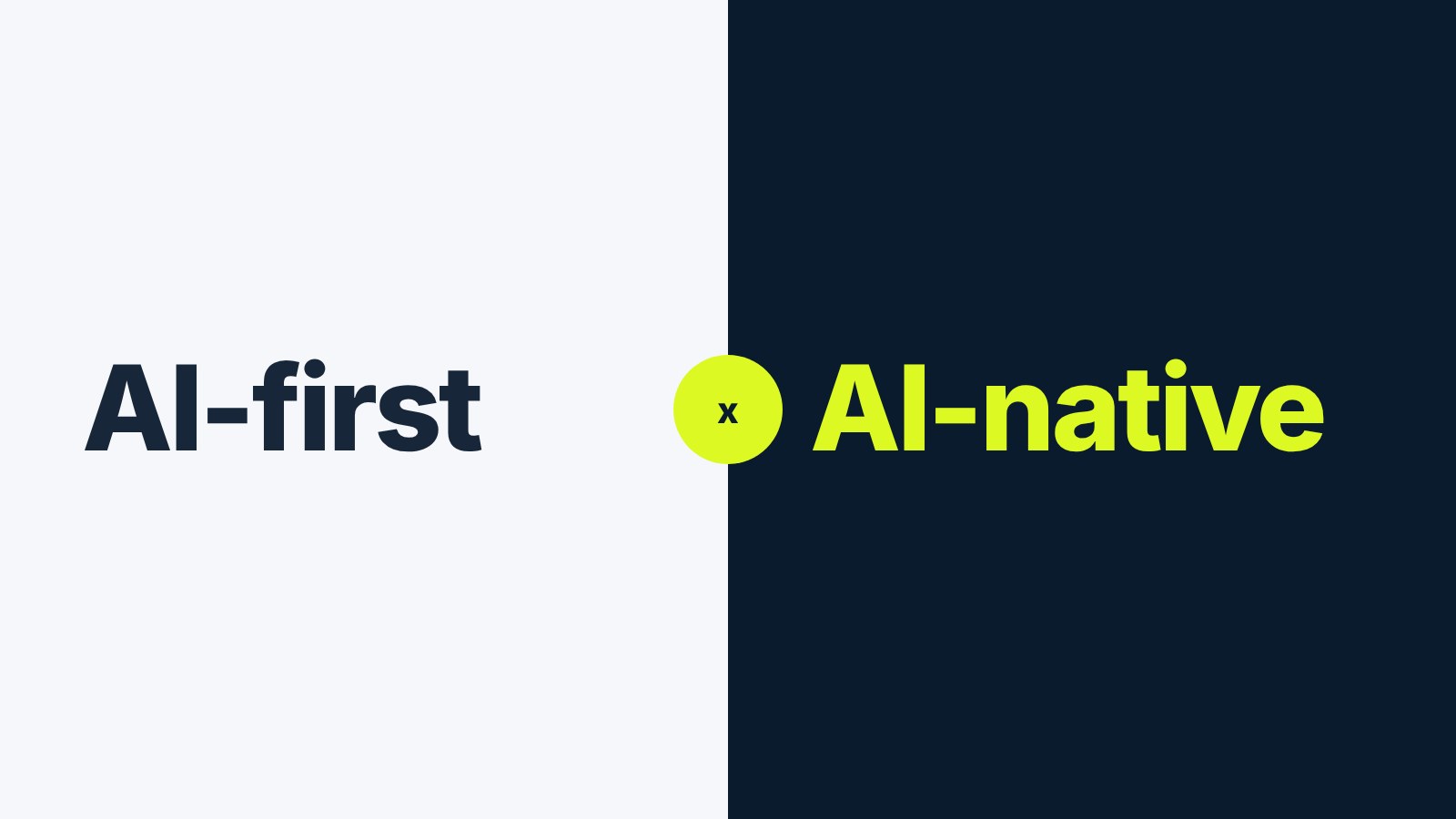
Everyone's own AI
- Each person explains the business from scratch
- What they teach stays in a personal account
- The user gets the gain
- When the person leaves, the know-how leaves too
The company's AI
- Team and AI work from the same source
- Know-how becomes a company skill
- Routines deliver without anyone asking
- Whoever joins picks up where the last person left off
A process is the what. A skill is the how.
Many companies already have written processes: “sales sends the proposal within 24 hours.” That's the what. What makes a proposal close is the how: which case to mention to that kind of customer, which objection to answer before it comes up, which discount never to offer. That how lives in the heads of your best people, and it's exactly what the AI needs to do good work. We covered getting that knowledge out of people's heads in the article on the company second brain.
A skill is that how written down as a step by step the AI follows the same way every time: the proposal script, the month-end checklist, the way to answer a complaint. When it's kept in one place, alongside the company's numbers and history, three things change: quality stops depending on who happens to be on shift, the routine can run on its own and land ready for whoever decides, and the time it took can be measured before and after.
Who owns the skill? What Brazilian law already says
Here is the part almost nobody discusses. When an employee's know-how becomes a written asset, the question is: who owns that asset? Brazilian law answers it in parts.
- Software has a clear rule. Law 9,609/1998, art. 4 says that, unless the contract states otherwise, software developed by an employee during the contract, within the work they were hired for, belongs to the employer.
- Text, methods and know-how don't have the same rule. The Copyright Law (9,610/1998) has no general rule for works created by employees. In practice, what counts is what the contract says.
- Trade secrets are protected. Law 9,279/1996, art. 195, XI treats as unfair competition using or disclosing, without authorization, confidential knowledge a person accessed through an employment relationship, even after the contract ends.
- Company memory also holds people. If a skill or the company memory records meetings, voice, chats, or customer and employee data, Brazil's data protection law, the LGPD (Law 13,709/2018), applies: a defined purpose, a legal basis for processing and access control.
The takeaway is simple: a company that wants its knowledge to be its own has to say so in writing, in advance. A clause in the employment contract, an amendment for current staff and an internal AI use policy cover most of it. The exact wording is work for your lawyer, ideally one who understands employment, intellectual property and data protection at the same time.
Find out how much of your company still depends on you.Take the free index
The risk nobody mentions: your team hiding what they know
There's a wrong way to do this, and it's expensive. If your team believes they're being “extracted” so they can be replaced, they do the obvious thing: they hold back. The fear is already there: in the same 2024 Work Trend Index, 53% of people using AI at work worried that using it on important tasks made them look replaceable. Handled carelessly, the skill comes out half done, the AI gets things wrong, and the conclusion becomes “AI doesn't work here.”
The right way treats whoever teaches as the author. The skill records who created it, the person gets credit for it and becomes the go-to reference on that topic, not the only person able to do it. The company keeps the asset; the person keeps the credit and gets time back for the work only they can do. Company ownership and credit for whoever taught don't compete: each one supports the other.
What to agree with the team and in contracts
Turning the team’s knowledge into company skills calls for a few written agreements. This is not legal advice, and the exact terms should be reviewed with your lawyer, but three topics tend to come up in every serious conversation on the subject.
- Who owns what is produced. What a person creates as part of the job, with the company’s tools and time, should be provided for in contract. Software, texts and inventions have their own rules, such as the software, copyright and industrial property laws cited in the sources of this article.
- What cannot leave the company. Confidential information of clients and of the company itself should not go into personal tools or tools without an adequate contract.
- Personal data. If the skill uses data about people, LGPD defines how it can be processed, and this must be clear before the skill goes into use.
These agreements also protect the team. When it is written down what belongs to the company and what remains the person’s, nobody needs to hide what they use, and that is precisely what makes it possible to take advantage of what the team already knows.
The conversation with the team
Before the rule comes the conversation. Ask the team which tasks they already do with AI, what they taught the tool and what they would like the company to keep. Make clear that the goal is not to police but to recognize what works and give whoever created it credit for what became a company skill.
People who feel recognized share. People who fear being replaced hide. The difference between the two scenarios usually lies less in the technology and more in how the company handles this first conversation.
Where to start
Start by measuring the size of the problem. The Dependency Index (IDD) is a free quiz that scores, from 0 to 100, how much your company depends on you and on key people, including how much knowledge still lives only in someone's head. To see how knowledge becomes context, skills and routines in one system, see the Business AIOS.
Has been building several businesses with digital marketing since 2008. Today he designs systems that bring data, processes and AI together so owners can see the whole company and decide what matters.
Sources
- AI at Work Is Here. Now Comes the Hard Part (2024 Work Trend Index)Microsoft and LinkedIn, 2024-05-08
- Law No. 9,609 of February 19, 1998 (Software Law, in Portuguese)Planalto (Brazilian Presidency)
- Law No. 9,610 of February 19, 1998 (Copyright Law, in Portuguese)Planalto (Brazilian Presidency)
- Law No. 9,279 of May 14, 1996 (Industrial Property Law, in Portuguese)Planalto (Brazilian Presidency)
- Law No. 13,709 of August 14, 2018 (LGPD, in Portuguese)Planalto (Brazilian Presidency)